
Creating Comfort Between Visits: Simple, Meaningful Ways to Reduce Loneliness at Home
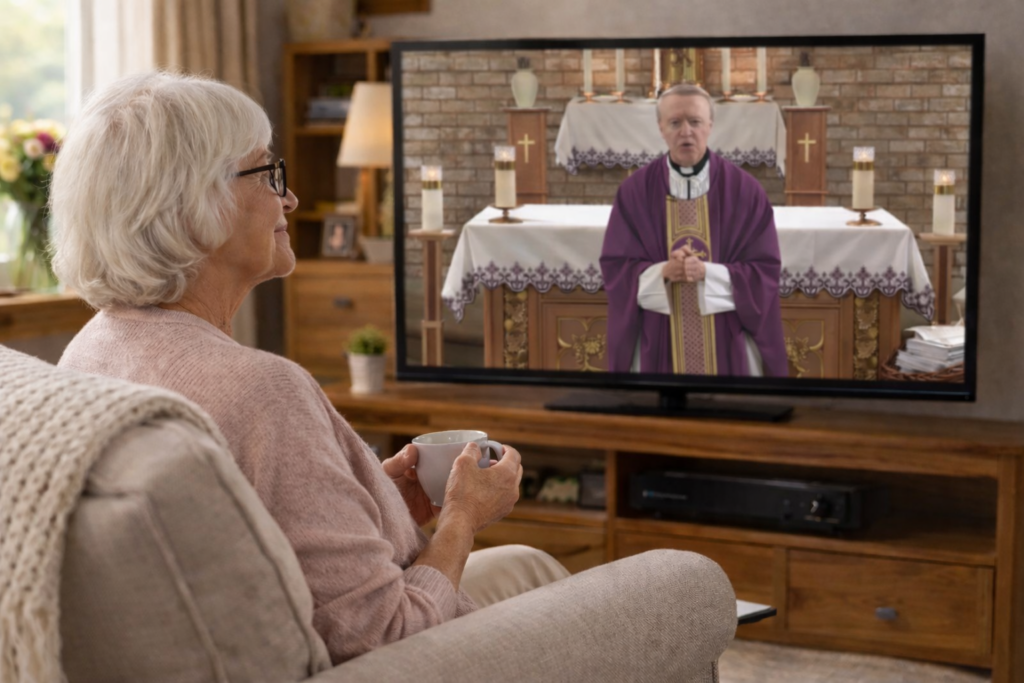
Home health support often happens in short windows of time. A caregiver arrives, care tasks get done, and then the home can become quiet again. For many older adults aging in place, that quiet can turn into loneliness, especially when mobility is limited, family lives far away, or health changes reduce independence.
Loneliness is not only an emotional issue. It can affect motivation, sleep, appetite, and overall wellbeing. That is why reducing loneliness between visits is an important part of whole-person care at home, and why small, consistent connection tools matter.
Why Loneliness is so Common in Home Health
Aging in place can be comforting, but it can also become isolating. Without a built-in community, days can blur together, especially when routines change after a hospitalization or diagnosis.
Loneliness is more likely when:
- Social circles shrink due to health or transportation barriers
- A person is home alone for long stretches
- Hearing loss or cognitive change makes conversation harder
- Anxiety or fatigue reduces interest in activities
- A spouse or close friend has passed away
Even when care is excellent, loneliness can still grow in the space between visits.
What Loneliness Looks Like Day to Day
Loneliness is not always obvious. It often shows up as changes in behavior or routine rather than someone directly saying, “I feel lonely.”
Common signs include:
- Sleeping more during the day
- Less interest in eating or preparing meals
- Low motivation to move or engage
- Increased worry, irritability, or restlessness
- More repetitive calling or texting family
- Withdrawing from conversations during visits
Recognizing these patterns helps home health teams respond with support instead of assuming it is only “mood” or “personality.”
Simple, Practical Ways to Reduce Loneliness Between Visits
Home health providers do not need to solve loneliness all at once. The most effective approach is creating small, repeatable touchpoints that bring structure and comfort to the day.
Helpful strategies include:
- Build predictable rhythms: a consistent wake-up routine, a midday “purpose moment,” and a calm evening wind-down
- Encourage small social anchors: a scheduled call, a weekly visit, or a recurring check-in
- Use familiar content that feels like company: music, stories, trivia, or calming audio that fills the silence
- Support “micro-engagement”: short activities that feel doable, not overwhelming
- Personalize: use the person’s favorite eras, interests, faith traditions, and cultural preferences
The goal is not constant stimulation. It is a steady sense of presence.
The Role of Caregivers in Creating Connection
Caregivers can help reduce loneliness without adding a lot of time. The key is using the visit to set up support that continues after they leave.
Examples:
- Start a playlist or familiar program during the visit and leave it running softly
- Create a “between visits routine” such as one favorite show after lunch
- Set up a simple daily listening habit that becomes familiar
- Encourage families to share favorite songs or themes that spark conversation
These small patterns help older adults feel less alone and more supported throughout the week.
Emotional and Spiritual Support Matter Too
Loneliness is not only about social contact. It is also about meaning. Many people feel lonelier when they lose a sense of purpose, identity, or spiritual grounding, especially during illness or recovery.
For some older adults, spiritual connection, prayer, or guided reflection can bring reassurance during quiet moments at home. For others, it is familiar music or uplifting content that helps the day feel warmer and more personal.
Reducing loneliness often means supporting both emotional comfort and daily structure.
How Coro Health Helps Reduce Loneliness at Home
Coro Health supports home health providers by offering on-demand therapeutic music, engagement programming, and multi-faith content that can be used during visits and between them. Instead of relying only on conversation or occasional family contact, caregivers can help create daily moments of comfort and connection that continue after the visit ends.
With easy access to familiar music, classic shows, and simple engagement experiences, Coro Health helps fill the quiet with something reassuring and supportive. That turns long stretches of time into calmer, more structured days, helping older adults feel less isolated and more connected at home.