
How Home Health Caregivers Can Use Shared Listening to Start Conversations
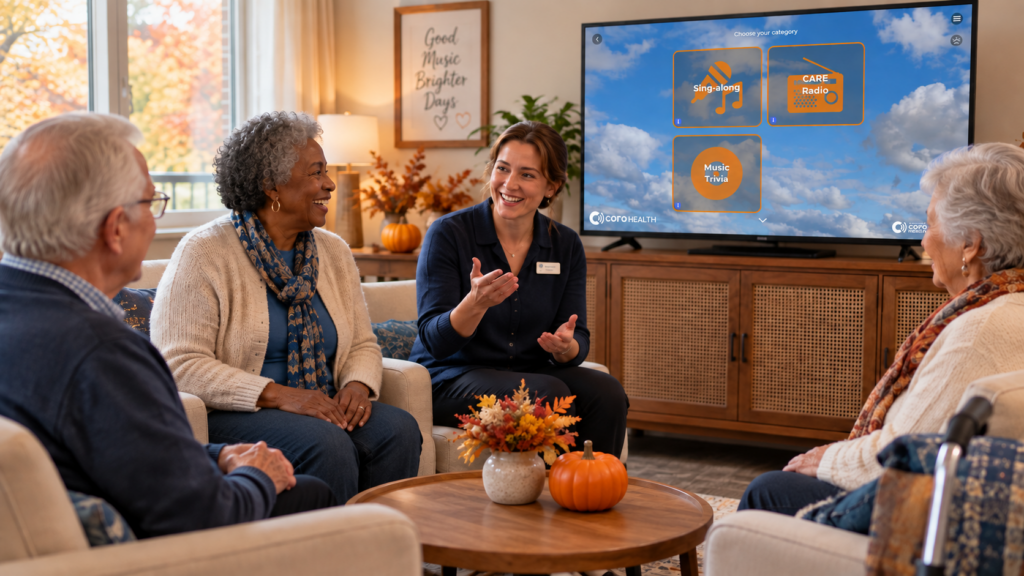
A home health visit may begin with familiar questions about how someone is feeling and what they need that day. Sometimes conversation comes easily. At other times, a client may be quiet, tired, or unsure what to say.
Shared listening offers another way to spend time together when it fits the visit and the person’s preferences.
A song, an audiobook passage, or a radio program can give caregivers and clients something to enjoy and discuss. It can also provide a comfortable shared experience when conversation is not what the person wants.
Begin With an Invitation
Before introducing music or spoken-word content, ask whether the client would like to listen.
Offer a small number of choices based on what you already know about their interests. Someone might enjoy a favorite style of music, a story, or an old-time radio program. Another person may prefer quiet.
Questions can stay simple:
- Would you enjoy some music today?
- Is there a type of story you like?
- Would you rather listen together or have quiet time?
- Is the volume comfortable for you?
Keep listening optional. A person’s energy, mood, and preferences may differ from one visit to the next.
Choose a Moment That Fits the Visit
Shared listening should fit around the purpose of the visit and the caregiver’s responsibilities.
Companionship time or a suitable quiet period may offer an opportunity. Content should be paused whenever clear communication or attention to care is needed.
Begin with a short selection so there is room to see whether the person enjoys it. A full program may be welcome on some days, while one song may be enough on others.
The length of the listening experience matters less than whether it suits the person and the moment.
Let Conversation Follow Naturally
After listening, offer an open question rather than testing what the person remembers.
You might ask what they thought of the singer, whether they enjoyed the story, or if they would choose something similar again.
If a memory comes up, give the person time to share it. If they talk about something unrelated, follow their lead. The content has still provided a starting point for connection.
There is also no need to fill every pause. Listening together can be enjoyable without turning it into a discussion.
Notice Preferences Without Making Assumptions
One positive response does not mean the same selection will suit every future visit.
Ask whether the client would like to hear it again and note useful preferences through the agency’s usual process. These might include favorite genres, preferred program lengths, or whether the person likes conversation during listening.
Those details can help other caregivers offer relevant choices while continuing to ask what feels right that day.
Bring Shared Listening Into Home Health With Coro Health
MusicFirst and EnrichFirst give home health teams access to music, audiobooks, radio programs, and other content that can support everyday engagement.
Caregivers can choose resources around a client’s interests and use them when appropriate within the visit.
A shared listening experience gives people something to respond to, enjoy, or talk about—and gives caregivers another opportunity to learn about the person they support.
Learn more about Coro Health for Home Health.