
6 Ways to Make Care at Home Feel More Personal
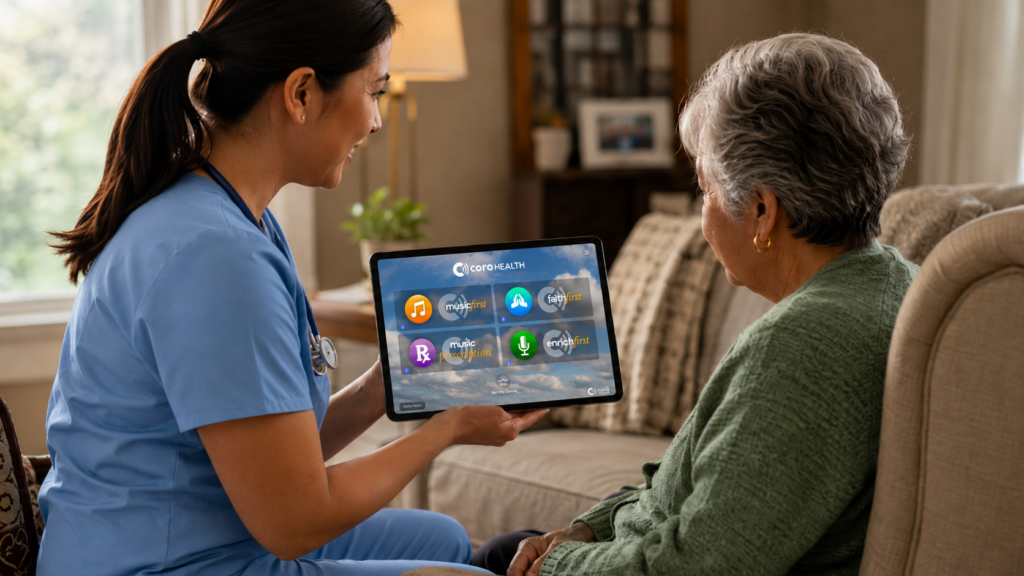
Care at home for seniors often includes important daily and clinical support. A Home Health visit may involve medication reminders, mobility support, personal care, wellness checks, recovery support, or help with daily routines.
But care at home is not only about completing tasks. For many older adults, a visit can also be a meaningful moment of connection. It can help them feel calmer, more respected, and less alone.
That is why person-centered care at home matters. When Home Health agencies support the whole person, not just the care need, each visit can feel more personal, dignified, and emotionally supportive.
Here are six ways Home Health care teams can make visits feel more human.
1. Start With the Person, Not the Task
The first few minutes of a visit can shape the entire care experience.
Before moving into the checklist, caregivers can take a moment to greet the person warmly, notice their mood, and create a sense of safety. This does not need to take long. A familiar greeting, gentle eye contact, and a calm pace can help the older adult feel seen before care begins.
Small questions can also make a difference:
- How are you feeling today?
- Would you like to sit here or by the window?
- Is there anything you want me to know before we begin?
- Would you like music, quiet, or a moment to settle first?
These small choices help the visit feel less clinical and more personal. They remind the person that care is being done with them, not just to them.
2. Use Familiar Music to Set the Tone
Music can help create comfort during home health visits because it connects with memory, emotion, and identity. A familiar song may soften the room, ease tension, or help a care routine feel less abrupt.
For seniors who feel anxious, tired, confused, or resistant to care, therapeutic music can become a gentle bridge into the next moment. It may help during:
- Morning routines
- Bathing and dressing
- Mobility support
- Meals
- Rest periods
- Transitions between activities
- Moments of emotional distress
The key is intention. Not every song fits every moment. A calm song may support relaxation, while a familiar upbeat song may encourage movement or conversation.
Coro Health’s MusicFirst helps Home Health agencies bring therapeutic music into visits through the caregiver’s device, so music can be used with purpose during real care moments.
3. Make Space for Faith or Reflection
For many older adults, faith, prayer, meditation, or reflection is part of identity. It may offer comfort during illness, recovery, grief, loneliness, or major life changes.
During home health visits, spiritual support should always be guided by the person’s preferences. Some seniors may welcome a short prayer. Others may prefer a meditation, sacred reading, devotional, or quiet reflection. Some may not want spiritual content at all, and that should be respected.
When appropriate, faith-based support can help seniors feel:
- Grounded
- Comforted
- Connected to their beliefs
- Supported during uncertainty
- Reminded of peace, hope, or meaning
Coro Health’s FaithFirst gives Home Health care teams access to spiritual and reflective programming that can be used during visits through the caregiver’s device, helping staff support the spiritual side of care in a respectful and accessible way.
4. Turn Quiet Moments Into Meaningful Engagement
Not every moment in a home health visit is active. There may be waiting time, rest time, conversation time, or a few minutes between care tasks.
These moments can become opportunities for meaningful engagement.
A short story, a familiar radio-style program, a sing-along, music trivia, or a couch concert can help spark conversation and connection. This can be especially helpful for seniors who spend much of the day alone or who may struggle to initiate conversation.
Meaningful engagement does not have to be complicated. It might look like:
- Listening to a favorite style of music
- Sharing a memory sparked by an old song
- Watching a short performance together
- Answering a simple trivia question
- Listening to a familiar story or radio segment
- Singing along for a few minutes
Coro Health’s EnrichFirst includes Audiobooks, Care Radio, Sing-Along, Music Trivia, Old Time Radio, and Couch Concerts, giving Home Health agencies simple ways to create connection during visits.
5. Support Dignity During Daily Routines
Daily routines can feel vulnerable, especially when they involve personal care, physical assistance, or a change in independence.
A senior may feel embarrassed, frustrated, rushed, or unsure of what is happening. Caregivers can protect dignity by slowing down, explaining each step, and offering choices whenever possible.
For example:
- “Would you like to start with your sweater or your shoes?”
- “I’m going to help you stand now. We’ll go slowly.”
- “Would you prefer music while we do this?”
- “Let’s take a pause before we continue.”
These small moments of communication can reduce stress and build trust. They also support senior emotional support by helping the person feel respected, not managed.
When care routines are paired with familiar music, spiritual comfort, or gentle engagement, they can feel less like tasks and more like meaningful care moments.
6. End the Visit With Reassurance
How a visit ends matters too.
A rushed goodbye can leave a senior feeling unsettled, especially if they are anxious, lonely, or living with memory changes. Ending with a simple routine can help the person feel more secure.
Care teams might close the visit with:
- A calming song
- A short reflection
- A reminder of when the next visit will happen
- A reassuring phrase
- A brief recap of what went well
- A moment of gratitude or encouragement
This final touch helps bring emotional closure to the visit. It also reinforces trust between the caregiver and the person receiving care.
How Coro Health Supports More Personal Care at Home
Home Health agencies have a unique opportunity to bring comfort, connection, and whole-person support into the home. With the right approach, each visit can support not only physical needs, but also emotional wellness, spiritual comfort, and meaningful engagement.
Coro Health helps Home Health agencies make care at home for seniors feel more personal through MusicFirst, FaithFirst, and EnrichFirst. Used during Home Health visits through the caregiver’s device, these services help care teams bring therapeutic music, spiritual support, and enriching content into the moments that matter.
Because care at home should feel personal, respectful, and connected.
Learn more about Coro Health.