
The Role of Prayer, Reflection, and Ritual in Aging Well
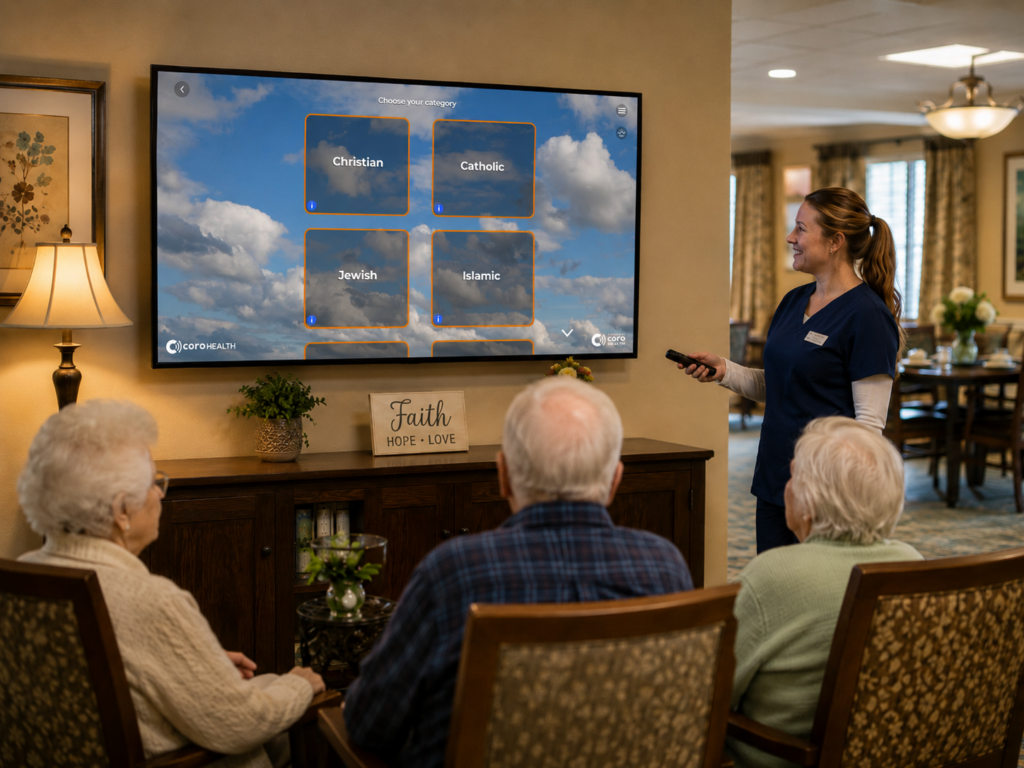
Aging is not only a physical journey. It is also emotional, spiritual, and deeply personal. As older adults move through life transitions, changing health needs, grief, memory changes, or new living environments, many turn to familiar spiritual practices for comfort and strength.
Prayer, reflection, and ritual can play an important role in spiritual wellness for seniors. These practices help create moments of peace, connection, and meaning, especially when daily life begins to feel uncertain.
Why Spiritual Wellness Matters for Seniors
Spiritual wellness is about more than religion. For some older adults, it is rooted in faith traditions, prayer, scripture, worship, or sacred music. For others, it may come through meditation, gratitude, nature, reflection, or quiet moments of meaning.
In senior living and healthcare settings, spiritual wellness can help residents feel:
- Grounded during times of change
- Connected to their identity and beliefs
- Comforted during grief or loneliness
- Supported in moments of fear or uncertainty
- Reminded of purpose, hope, and belonging
When spiritual needs are recognized, care becomes more complete.
Prayer as a Source of Comfort
For many seniors, prayer has been part of life for decades. It may be a morning habit, a family tradition, or a source of strength during difficult seasons.
In care settings, prayer can offer comfort when words are hard to find. It can help residents feel less alone, especially during illness, transition, or end-of-life care. Even a short prayer can create a sense of calm and reassurance.
For residents living with memory changes, familiar prayers may also remain meaningful. The rhythm, repetition, and emotional familiarity can bring comfort even when other forms of communication become harder.
Reflection Helps Residents Process Life
Later life often brings reflection. Older adults may think about family, faith, regrets, accomplishments, loss, legacy, and the meaning of their experiences.
Reflection gives residents space to process those thoughts with dignity. It can happen through guided meditation, journaling, spiritual readings, conversation, or quiet time.
In senior living, creating space for reflection can help residents feel seen as whole people, not just as patients or participants in an activity calendar. Their stories, values, and beliefs still matter.
Ritual Creates Stability and Belonging
Rituals provide structure. They help mark time, create familiarity, and connect people to something larger than the moment they are in.
A ritual might be:
- A weekly worship service
- Listening to a familiar hymn
- Reading a daily devotional
- Observing a holiday
- Practicing meditation
- Gathering for group reflection
For seniors, rituals can bring comfort because they feel familiar. In memory care, assisted living, hospice, or home health, these repeated practices can help create rhythm, reassurance, and connection.
Supporting Different Faiths and Personal Beliefs
Spiritual care should never be one-size-fits-all. Senior living communities often serve residents from many different faith traditions, cultural backgrounds, and personal belief systems.
That means spiritual wellness should be inclusive and respectful. Residents should have access to support that reflects their values, whether they are Christian, Catholic, Jewish, Muslim, Buddhist, spiritual but not religious, or simply seeking quiet reflection.
Inclusive spiritual care helps every resident feel respected.
How FaithFirst Supports Spiritual Wellness
Coro Health’s FaithFirst helps senior living, healthcare, and care teams make spiritual support more accessible. With multi-faith content, prayers, meditations, sacred readings, and reflective programming, FaithFirst gives staff simple tools to support the spiritual side of aging.
Because aging well is not only about the body. It is also about peace, meaning, connection, and the inner life that continues to matter at every stage.